Aged for a year inside a dam: four Toyota breweries bring out their sake
Four sake breweries in Toyota, Aichi Prefecture, have taken out sake aged for a year inside Yahagi Dam, where the temperature stays at about 15C, and begun selling it as a tasting set.
Turning the inside of a dam into a “natural storehouse”
Aichi is a prefecture in Japan’s Chubu region, centred on Nagoya. Toyota, in the east of the prefecture, is known around the world as a car-making town. On 19 August 2026, four sake breweries based in Toyota brought out sake that had spent a year inside the body of Yahagi Dam in the city’s Shikarase-cho district. Surrounded by thick concrete, the inside of the dam is said to stay at around 15C throughout the year. Using a huge piece of infrastructure to age sake is the most distinctive feature of this project.
What happens to flavour when the temperature is stable?
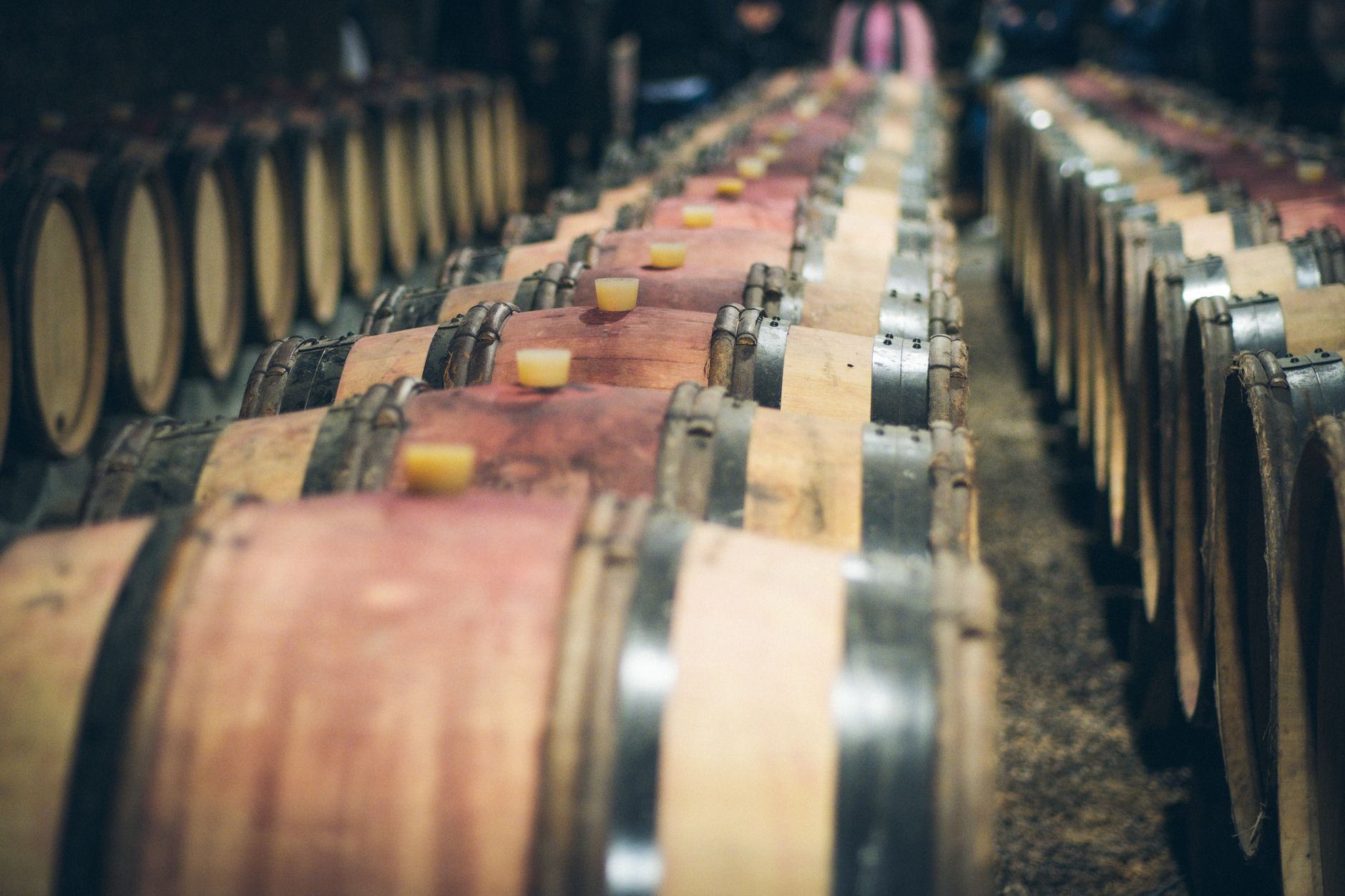
Even after it has been pressed, sake keeps changing slowly in the bottle or tank. The speed of that change depends greatly on temperature: it is faster when warm and gentler when cool. The idea is the same as keeping wine in a cellar. According to press reports, ageing sake in an environment with little temperature variation, such as the inside of a dam, takes the edges off it and gives a mellower flavour. How gently does sake change after a year in a place with almost no seasonal swings in temperature? This removal was also an occasion to find out.
Tasting the sake of four breweries side by side
The four companies are selling a set that lets drinkers compare their sake, and have started taking reservations. Because the sake was kept in the same place, at the same temperature and for the same length of time, the ageing conditions are identical. That makes the differences in each brewery’s character, such as the rice, water, yeast and brewing method, easier to pick out. By using the ageing environment itself as a common yardstick, the project offers an interesting way to compare.
The set is aimed at the Japanese market, so it will be hard to get hold of in Europe. Even so, you can try the same idea at home. At a specialist sake shop in Europe, look for sake labelled “aged” or “stored”, or one that states the year it was made, and taste it alongside a newer sake from the same brewery. Ideally, keep the bottles in a place with little temperature variation, such as a wine cellar. Aged sake is easier to appreciate for its mellowness and changes in aroma when it is not served too cold, at around 15C.
Sources
This article was written by The Sake Wire editorial team, summarising the public sources listed above. Images are our own.
Try Akita sake in the EU — from €6
180 ml tasting bottles and full-size sake, wine, beer and gin, shipped from Amsterdam within the EU.


