Saitama steps in with direct aid as sake rice prices climb, with grants for breweries and others
Saitama, just north of Tokyo, has created a grant covering 2025 rice price rises for small local sake breweries, miso makers and rice-cracker makers.

What is being supported
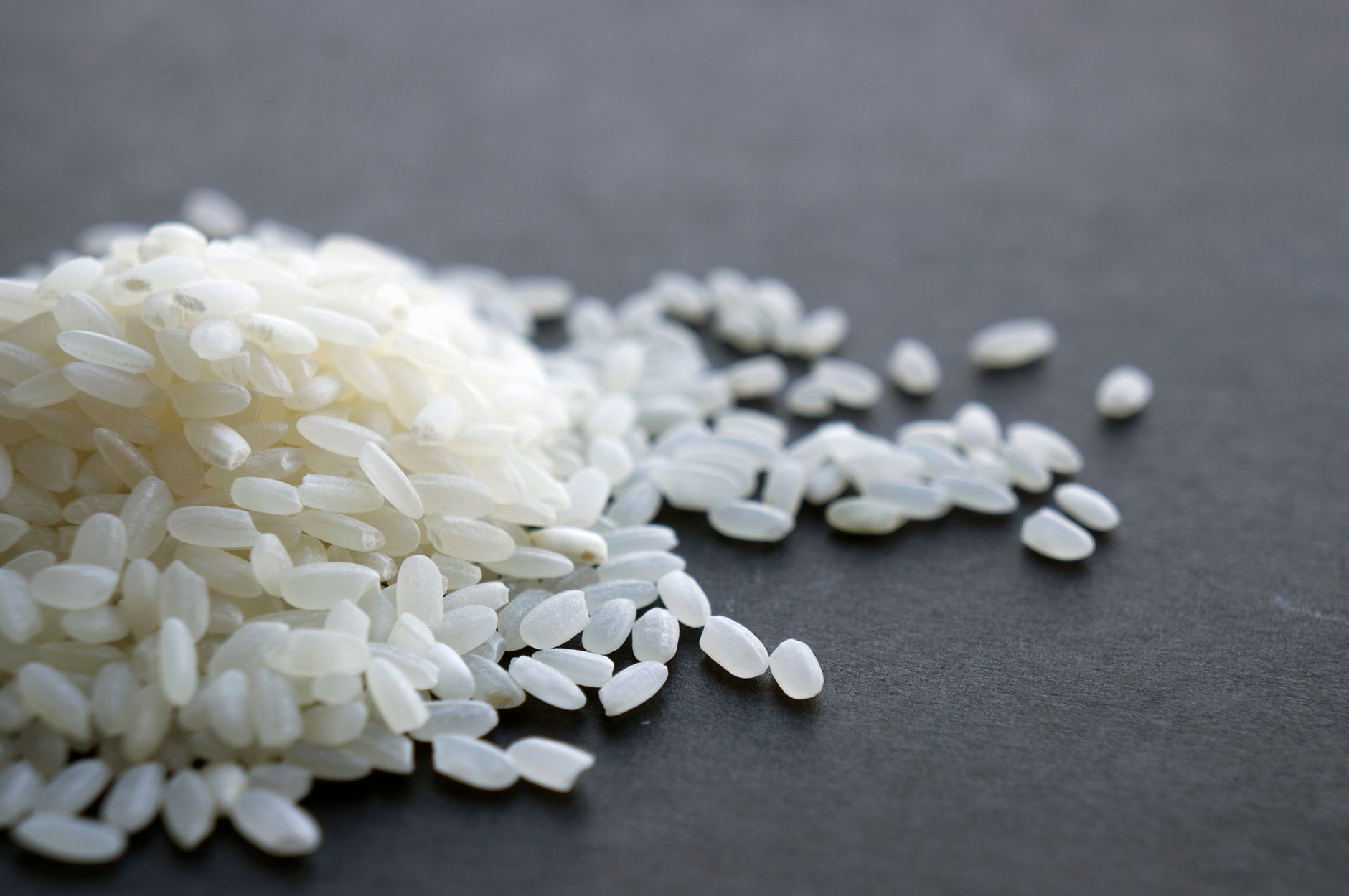
On 29 May 2026, Saitama Prefecture began accepting applications for its “Saitama Prefecture Grant for Rising Prices of Rice for Processing and Similar Uses”. Saitama, which borders Tokyo to the north, is part of the capital region. The scheme is open to small and medium-sized businesses that make alcohol or foods mainly from brown or polished rice, provided their head office or main place of business is in the prefecture. Alongside sake and other alcoholic drinks, it covers makers of seasonings such as miso, rice crackers, rice cakes and dumplings, rice flour and frozen cooked rice. Restaurants and makers of bento boxes and prepared dishes are not eligible. The amount of aid equals the price increase on processing rice and sake-brewing rice harvested in 2025, and the prefecture describes the scheme as an emergency measure. Sake-brewing rice, or shuzo kotekimai, refers to varieties grown specifically for making sake.
How to apply, and the deadlines
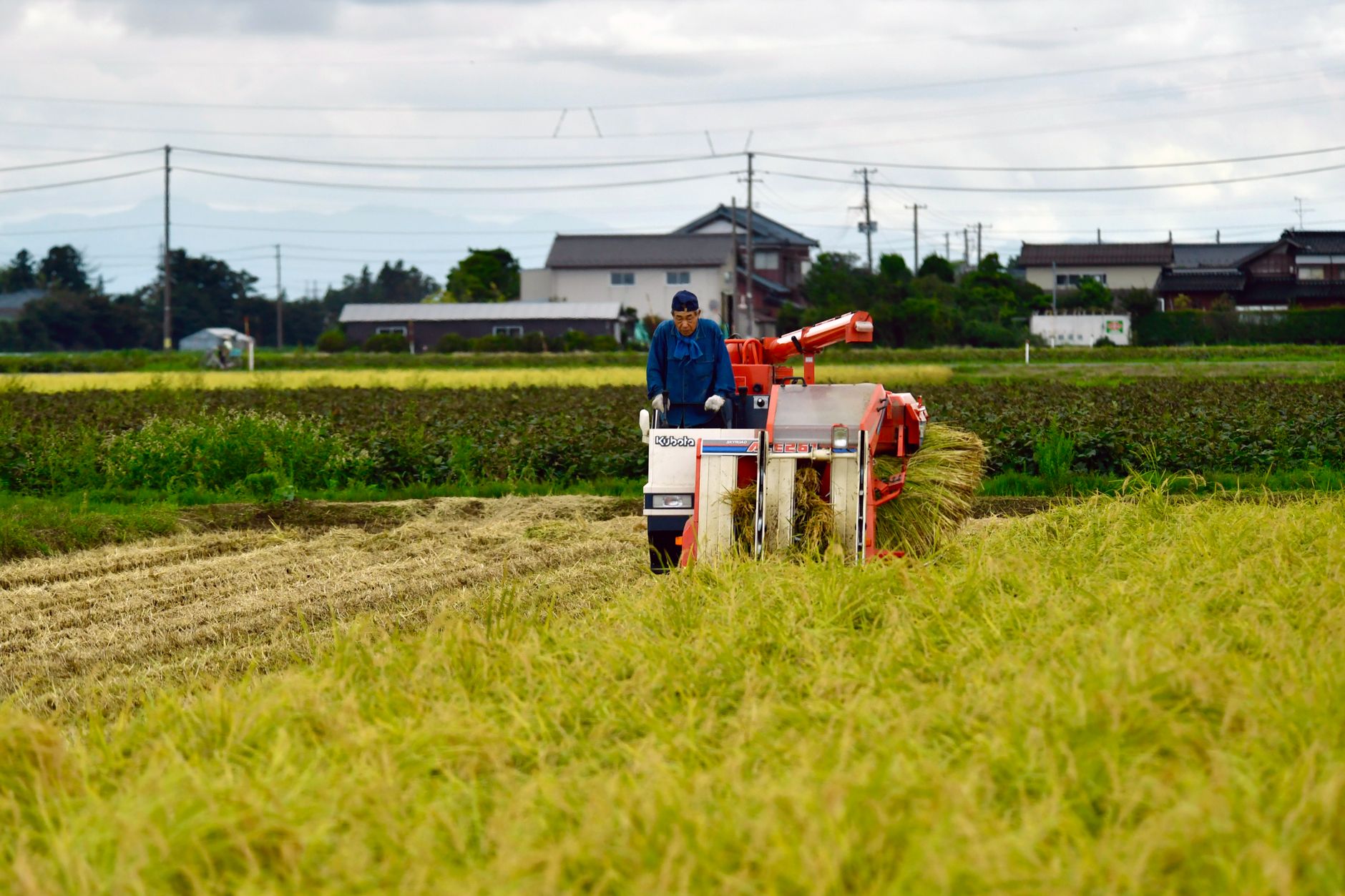
Eligible rice is 2025-harvest rice bought to make alcohol, seasonings, confectionery and similar products, and only if it was delivered and paid for by 31 October 2026. Applications were taken in two periods. Rice delivered and paid for by the end of July could be claimed from 29 May to 31 July, and rice delivered and paid for between August and the end of October from 1 August to 15 September. Applications were made online as a rule, though post was also accepted. Each had to include documents showing the quantity bought and the amount paid. The application window has now closed, and the scheme moves on to the payment stage.
Why this matters to readers in Europe
Rice is the main raw-material cost in sake. That the prefecture is directly covering rice price rises across a whole range of industries shows how heavy a burden higher rice prices have become for small regional breweries and food makers. If small breweries cannot absorb rising costs, export prices may eventually be affected. This grant can be seen as one effort to hold down that upward pressure at the local level.
European readers should note that sake brewed from 2025 rice will now gradually reach the shelves. Ginjo and daiginjo sake, which have a low seimai-buai (the percentage of the grain left after polishing), are likely to be the most exposed. They mill the rice away so heavily that each bottle needs more of it. Comparing how the prices of junmai and daiginjo have moved since last year can show the effect of rising rice costs. If you come across a sake from Saitama, you could ask the shop or importer about the size of the producer and the rice it uses. Choosing a bottle from a small brewery is an easy way to support it from afar.
Sources and references Saitama Prefecture, “Applications now open for the ‘Saitama Prefecture Grant for Rising Prices of Rice for Processing and Similar Uses’! Supporting makers of rice-based foods and sake”
Sources
This article was written by The Sake Wire editorial team, summarising the public sources listed above. Images are our own.
Try Akita sake in the EU — from €6
180 ml tasting bottles and full-size sake, wine, beer and gin, shipped from Amsterdam within the EU.


